If you build your house on borrowed land, the landlord can change the locks whenever they like. For most creators, that landlord is an algorithm. One tweak to a recommendation feed and livelihoods wobble overnight. The promise of the Creator Economy — independence — isn’t real until you actually own the ground beneath your audience.
The illusion of control
Creators appear self‑sufficient: their names are brands, their faces their logos. Yet almost every aspect of that success depends on platforms designed by someone else. You perform inside someone’s software, bound by someone’s rules, and measured by someone’s data. It’s the digital version of company housing — comfortable until eviction.
The past few years have offered cautionary tales. YouTubers demonetised without warning. Instagram accounts shadow‑banned for mysterious “violations.” TikTok careers throttled by a single policy change. For all the talk of creator empowerment, the power still belongs to Terms of Service pages.
Why digital landlords always win
Platforms chase scale, not stability. Their mission is to maximise engagement, not guarantee income. When they tweak code, they’re optimising for shareholders, not storytellers. The result? Creators live in a permanent anxiety loop: refreshing analytics, deciphering algorithm folklore like modern augury.
It echoes the early days of publishing: authors dependent on a single press, musicians on a single label. Then as now, the middle class suffers first. Star creators get custom support; smaller ones get polite auto‑emails.
Data illustrates the risk. A 2024 survey by Linktree found that 65 percent of full‑time creators earned money from two or fewer platforms — and half feared losing it instantly if an account were suspended. Independence requires redundancy, not loyalty.
The case for “owned” ecosystems
True ownership in the digital realm doesn’t mean running a private server on a mountain; it means controlling access and communication. Email lists, websites, and private communities might sound unfashionable compared with viral loops, but they’re the difference between rental and ownership.
An email list lets you reach your audience regardless of platform politics. A personal website ensures discoverability through time. A Discord, Slack, or private forum lets fans gather where no algorithm decides what rises or sinks. These spaces don’t chase virality — they cultivate continuity.
If you’ve ever seen a creator weather a platform outage by pivoting to their newsletter the next morning, you’ve witnessed digital independence in action.
Diversification as a survival trait
Business schools preach diversification for portfolios; creators need it for stability. Multi‑platform presence spreads risk — YouTube plus Substack, TikTok plus podcast. Each channel can echo the others without clones; think ecosystem, not duplication.
Revenue streams should mirror this variety. Combine ad partnerships, direct subscriptions, merchandise, speaking gigs, and consulting. It sounds corporate, but in practice it buys freedom: when one income dips, another cushions the fall. The average creator might prefer art to admin, yet spreadsheets have replaced managers as the new safety net.
Building the “creator stack”
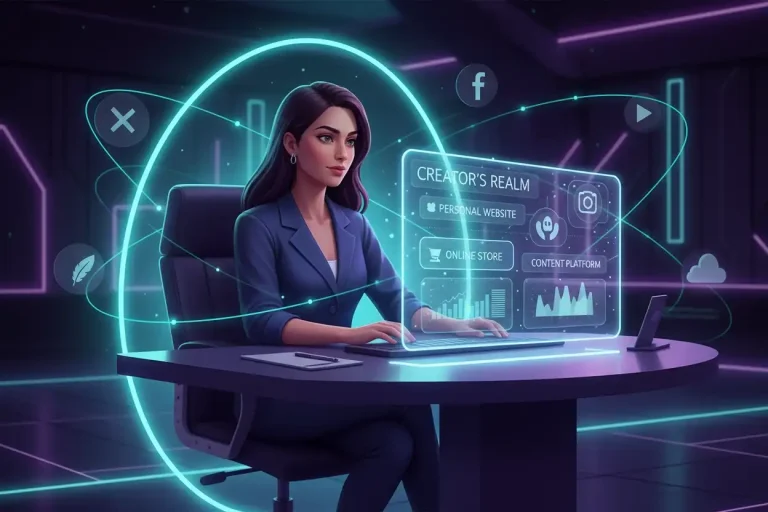
Professionals in tech talk about a “stack” — the combination of tools powering a product. Creators need their own:
- Home base: website or blog for identity and archives.
- Direct line: mailing list or SMS updates that bypass algorithms.
- Community hub: private platform for engagement.
- Storefront: for merchandise, courses, or paid content.
With that stack, a creator ceases to be platform‑dependent and becomes platform‑agnostic. Algorithms evolve; the relationship persists.
The psychology of independence
Many hesitate to step off the big platforms because visibility feels like safety. But visibility and security aren’t synonyms. The fear of disappearing is powerful — yet so is the burnout that constant exposure breeds. Owning your ecosystem means controlling pace as well as profit.
You can design seasons of work instead of endless posting. You can write slower, deeper, maybe happier. Independence isn’t just economic — it’s emotional space to create on your own terms.
When ownership meets collaboration
None of this means cutting ties with major platforms entirely. They remain invaluable for discovery. The trick is to treat them as funnels, not homes — neon signs leading visitors to the place you actually live.
Brands respect independence too; it signals professionalism and longevity. A creator with a direct audience looks sustainable, not volatile. In time, this shift could rebalance negotiation power itself.
The takeaway
The Creator Economy sells freedom but still leases it. Your followers may sit on someone else’s servers; your future shouldn’t. Build digital property you can own, nurture contact lists you can export, and structure businesses that survive algorithms waking up on the wrong side of code.
In short: embrace the romance of self‑reliance. Because in every creative industry since time began, the people who lasted weren’t just the talented ones — they were the ones who could never be kicked off their own stage.