Half of marketing automation seems designed by people who’ve never opened their own inbox. No wonder audiences associate funnels with spam — relentless nudges, fake deadlines, generic “just checking in” notes.
Yet nurturing doesn’t have to irritate. Done right, it’s sustained empathy — a patient conversation that turns hesitant subscribers into lifelong advocates. Let’s build the slow kind of momentum that lasts.
Fast funnel vs. long game
The short‑term marketer treats follow‑up as extraction: squeeze the conversion, discard the rest. The long‑term entrepreneur realises relationships compound. Today’s “not yet” could be next year’s champion. Every helpful email buys future relevance.
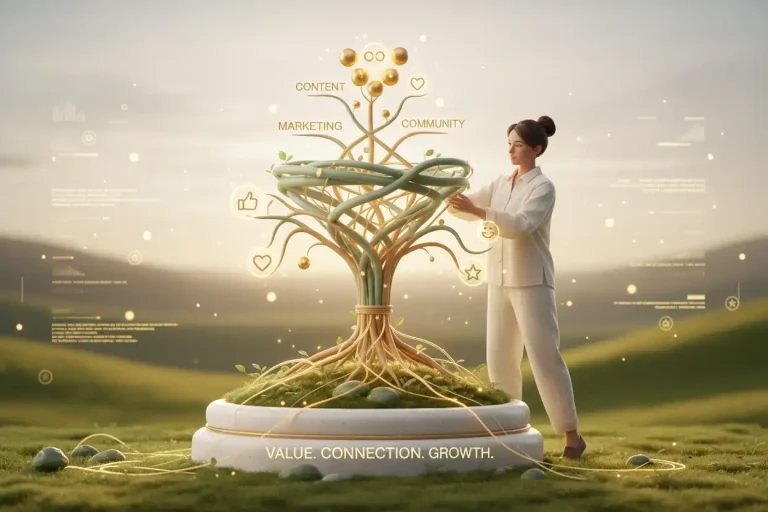
Funnels should behave like gardens, not pipelines.
1. Nurture equals narrative
People don’t wake up craving your product; they crave relief from their story’s tension. Map sequences to their plot:
- Act 1 — recognise the problem.
- Act 2 — introduce insight and small wins.
- Act 3 — invite transformation.
You’re not spamming; you’re storytelling. When nurture follows arc instead of algorithm, readers stick around for the next chapter.
2. Education is affection
The highest‑performing nurture emails contain zero direct sells. They teach one useful, small thing. This competence builds credibility, lowering the perceived risk of future purchase.
When audiences learn from you for free, they assume paid offers will teach more — that’s conversion by gratitude.
3. Predictability breeds comfort
Regular cadence — weekly, fortnightly — feels trustworthy; random bursts feel needy. Automation can’t replace rhythm-awareness. Set a tempo you can sustain. Reliability itself becomes a brand promise: “This person shows up calmly and on time.”
Consistency is nurture language.
4. Segment by stage, not stereotype
Segmentation fails when based only on demographics. Use behavioural clues instead: click patterns, past purchases, engagement level. Send advanced content to veterans; foundational tutorials to newcomers. Personalisation means relevance, not creepiness.
Right‑sized nurture feels thoughtful, not invasive.
5. Language that lowers pulse
Words can manipulate or mediate. Soften hard sells with invitational phrasing:
- “If this feels right for you…”
- “Here’s one way to think about …”
- “Take your time — I’ll still be here.”
When a funnel sounds like a friend, unsubscribes drop by half — seriously.
6. The generosity ledger
Every ask should follow at least three gives: knowledge, entertainment, or insight. “Give‑give‑give‑ask” keeps equity positive. The content that expects nothing builds trust credit you’ll later spend naturally.
Think reciprocity, not repetition.
7. Enlightened automation
Automation scales attention, unless it erases it. Set conditional logic that respects behaviour: if a subscriber ignores three emails, pause sequence. If they hit reply, route to a human. Let data guide tact. A good funnel adjusts its tone mid‑conversation.
8. Never fake time
Artificial countdowns and “one‑time only” offers already expired on morality. Urgency must be real: limited coaching slots, finite live cohorts, genuine price breaks with stated reasons. Integrity outruns scarcity every single quarter.
9. Listen as much as you talk
Surveys, polls, open‑ended “what are you stuck on?” messages evolve nurture into dialogue. Responses feed your next offer creation. The best funnels teach you about your audience faster than analytics dashboards ever can.
Feedback is friendship quantified.
10. Graduation, not ghosting
When someone finally buys, don’t disappear. Post‑purchase nurture — onboarding, deep‑dive tips, behind‑the‑scenes notes — converts satisfaction into advocacy. A funnel that ends in silence wastes its most receptive audience moment.
Your goal isn’t a sale; it’s a student who quotes you.
The takeaway
Nurture done right feels less like a funnel and more like a friendship evolving via inbox. It values patience over pressure, teaching over tactics, curiosity over conversion countdowns.
Play the long game: deliver value so consistently that when people are ready, trust has already closed the sale. Because nobody minds being nurtured — they just mind being nudged.