Start‑ups have worshipped velocity for so long it feels unnatural to breathe slowly. Speed equals seriousness; blitz‑scaling equals bravery. We celebrate overnight sensations and treat gradual progress like an apology.
But behind the case studies, you’ll find a quieter truth: most “overnight” success stories took a decade and several pivots. Patience, it turns out, is a growth hack cleverly disguised as boredom.
The cult of acceleration
Pitch decks still open with “in 12 months we grew X by Y percent.” Investors lean in, employees buckle up, and the journey becomes a monetised race. Except speed amplifies inefficiency. Moving fast without direction is just expensive panic.
Patience isn’t laziness; it’s measured urgency. It means knowing when to pause, to fix foundation before stacking features — the unsexy discipline that separates longevity from luck.
1. Momentum ≠ progress
Momentum feels incredible. Traffic spikes, media mentions, Slack emojis — dopamine disguised as evidence. Real progress happens in quieter metrics: churn down 3 percent, user satisfaction up a notch, shipping bugs dropping each sprint.
The mature founder asks not “How fast did we grow?” but “How real is the growth we have?”
2. Sustainable pace beats heroic sprints
Culturally, “hustle” still sells; “sleep” rarely trends. Yet burned‑out teams erode velocity faster than any market shift. A 90‑hour week looks noble until six people quit and institutional memory evaporates.
Replace urgency theatre with consistent throughput. Think marathon mechanics: rhythm, hydration, occasional laughter. Patience scales better than caffeine.
3. Timing is strategy
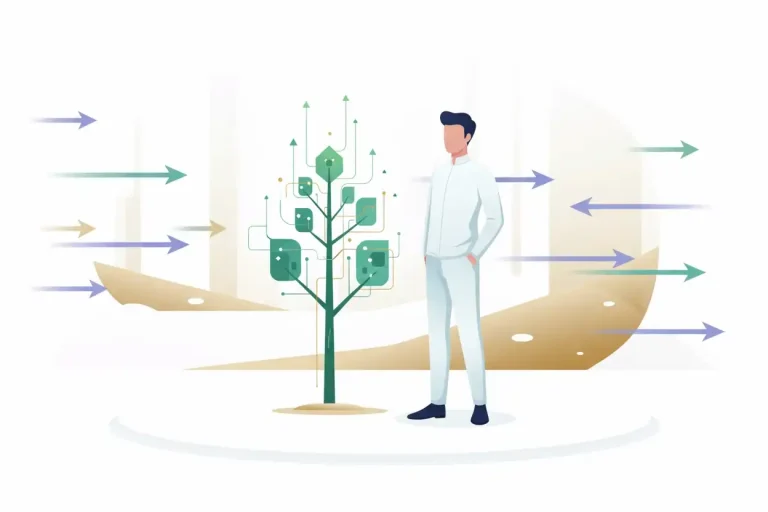
Strategic patience means planting seeds where hype hasn’t yet bloomed. Launch a feature before demand peaks, nurture it through obscurity, and arrive seasoned when everyone else rushes in later. First‑mover advantage is overrated; best‑prepared advantage lasts longer.
Markets reward readiness, not restlessness.
4. Compounding is the silent miracle
Every small improvement today multiplies tomorrow. Better onboarding = higher retention = cheaper acquisition = happier investors. But this flywheel needs months, sometimes years, to reveal itself.
Start‑ups that treat growth like farming — iterative, seasonal, cyclical — outlive those who treat it like fireworks.
5. Investor patience as moat
Founders often mirror their money. If capital demands quarterly theatrics, you’ll produce them. Seek patient investors — funds embracing stewardship over spectacle. A supportive board that rewards thoughtful pacing becomes strategic armour.
Patience, once rare, is turning fashionable again — risk capital rediscovering emotional maturity.
6. Operational patience
Ship when ready, not when Twitter’s watching. Pre‑launch buzz feels nice until it traps you in expectations you never briefed reality to meet. Products developed one week longer for QA rarely crash; relationships extended one month longer before price hikes rarely implode.
Operational calm is free insurance.
7. Cultural patience
Inside teams, patience manifests as teaching. Mentor the junior dev instead of rewriting their code. Explain context twice instead of rolling eyes once. A culture that respects learning speed creates employees who stay, grow, and eventually mentor others. Compound interest, again — measured in humans.
8. Marketing patience
Virality is fun; reliability converts. The best content today may take six months to mature into inbound trust. Long‑term SEO, newsletters, community threads — each builds equity under the surface. Fast clicks raise awareness; patient storytelling raises believers.
The paradox of slow
Patience rarely photographs well. It looks like meetings that end with more questions than answers, prototypes nobody sees yet, everything “in progress.” But when competitors burn budgets chasing monthly virality, your measured progress becomes the only sustainable differentiator left.
Slow growth isn’t resistance to ambition; it’s ambition disciplined enough to last.
The takeaway
Start‑ups will always have room for sprints. But once the engine’s running, patience becomes your aerodynamic upgrade: less drag, more distance.
Growth isn’t a race; it’s a rhythm. The trick is learning the tempo that lets you keep dancing long after the faster ones collapse backstage.