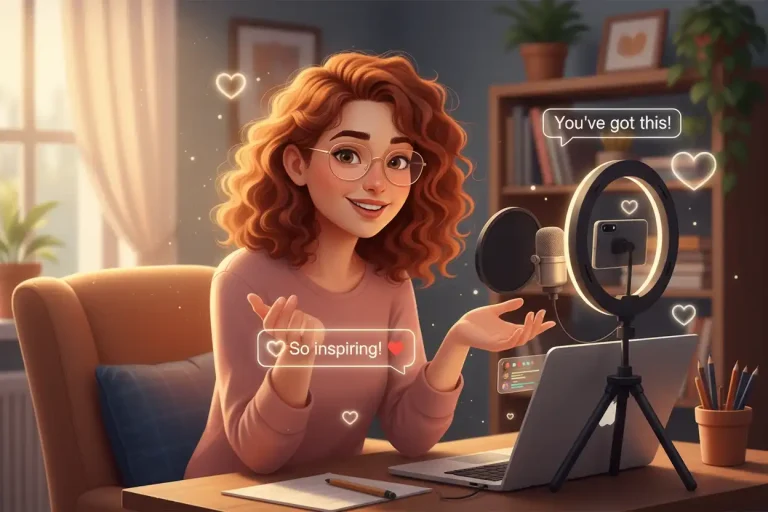
If influence once meant glossy posters and celebrity smiles, today it looks more like someone talking to their front camera with a coffee in hand.
Audiences have traded perfection for proximity — and “authenticity” has overtaken production value as the thing that sells.
The death of the polished pitch
Corporate communication used to worship immaculate scripting. Every frame was air‑brushed sincerity. The result? Polish fatigue.
Consumers can now spot the fingerprints of ‘marketing’ a mile off. They scroll past ads faster than you can say “target demographic”. Instead, what stops thumbs is realness — slight imperfections, ad‑hoc lighting, thoughts delivered mid‑walk.
Authenticity markets better because it disarms. It whispers, “I’m a person,” not “I’m a campaign.”
The economics of honesty
Trust, once earned by institutions, now transfers laterally between individuals. An independent creator’s opinion feels unbiased compared to a studio slogan.
When creators admit mistakes or show process, audiences lean in, not out. Transparency equals intimacy. The numbers confirm it: engagement spikes on posts where creators show failure, learning, or behind‑the‑scenes reality.
Perfection triggers distance; vulnerability triggers connection.
Why honesty works on the brain
Neurologically, humans reward effort and relatability over technical excellence. The “pratfall effect” — we warm to competent people who reveal minor flaws — explains why we prefer content that’s slightly rough around the edges. It signals truth.
Audiences aren’t looking for role models anymore; they’re looking for mirrors.
Brands learning humility
Smart brands now collaborate with creators precisely for that halo of credibility. Instead of scripts, they provide loose talking points and let creators speak in their own dialects. The paradox? The less you control the message, the more persuasive it becomes.
It requires nerve. Authenticity can’t be faked — it demands handing the mic to someone who might improvise. But measured risk is the price of modern trust. Micro‑influencers who drop corporate polish deliver conversions that TV ads can’t touch.
The limits of “real”
Authenticity theatre — contrived chaos, pretend mistakes — fools no one. Audiences clock performance immediately. True realness isn’t messy visuals; it’s honest motivation.
If your entire strategy screams “look how unfiltered I am,” you’re filtered by design. Better to show ordinary professionalism than forced spontaneity.
The takeaway
Advertising once asked audiences to believe; now it must earn belief. Authenticity is a slow currency — built not bought, grown not forced. Creators understand that intuitively, which is why they sell without selling.
To succeed in the Creator Economy, stop pitching perfection. Show process, admit imperfection, and you’ll find the rarest commodity in marketing today: trust that sticks.