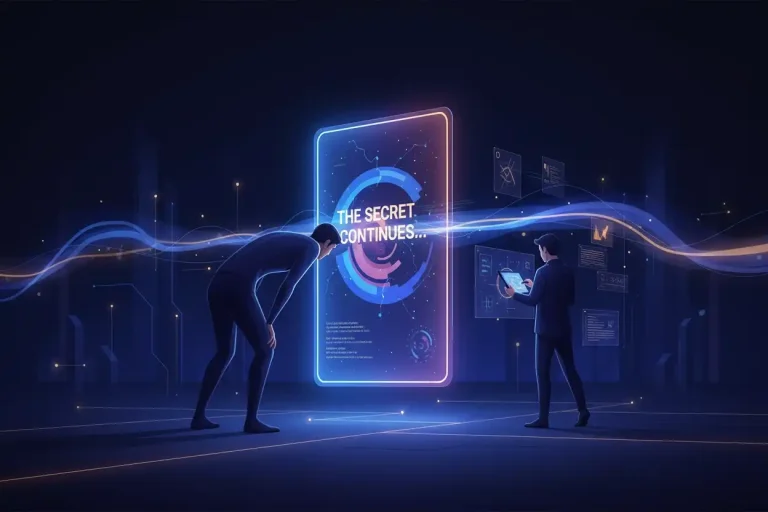
Ever binge-watched a series that ended on a cliffhanger—and couldn’t resist watching the next episode? That magnetic pull toward “what happens next” is powered by the Zeigarnik Effect, a psychological principle discovered by Bluma Zeigarnik in the 1920s. She found people remember incomplete tasks better than finished ones—simply because the brain hates open loops.
In marketing, the Zeigarnik Effect drives curiosity, follow-through, and retention. Brands that intentionally leave a little mystery in their messaging often achieve higher engagement rates, longer sessions, and better conversion ROI.
This guide explores what happens in the brain, why it works, strategic uses, ethical boundaries, real-world applications, tools, and turning tension into trust. By the end, you’ll use open loops to keep customers hooked. Let’s leave them wanting more.
Step 1: What Happens in the Brain
When a story, task, or goal remains unfinished, mental tension emerges—a subtle discomfort scientists call cognitive dissonance. The brain seeks closure through action. That’s why people click, subscribe, or check back for updates: they’re chasing the missing ending.
Marketers use this trait ethically to craft anticipation rather than anxiety. Done well, it turns simple curiosity into brand momentum.
Step 2: Why It Works in Marketing
Memory Magnification:
The Zeigarnik Effect makes partial information more memorable. A 2025 lead-generation study found incomplete sequences (e.g., “Step 2 of 3”) can increase completion rates by 41% because progress indicators create internal pressure to finish.
Motivation to Return:
Users who start tasks but don’t finish—filling half a form, pausing checkout, or watching 80% of a video—are statistically 65% more likely to revisit within 48 hours than those who completed them.
Curiosity Conversion:
Open loops act as micro-teasers. Campaigns with “to be continued” phrasing or unfinished visuals reported higher click-through by up to 33%. Curiosity isn’t manipulation—it’s engagement science.
Step 3: How to Use It Strategically
Teaser Campaigns:
Drop partial information about upcoming products: hint at a feature, not the full reveal. Apple, Netflix, and Nike exploit this elegantly through visual fragments and countdowns. Keep the wait short—long suspense turns interest into irritation.
Progressive Content:
Structure blogs, courses, and email series to leave readers wanting part two. Examples: “Here’s how to plan your campaign—next week, we’ll show you how to launch it.” Smaller, sequential learning builds both habit and trust.
Progress Indicators:
Progress bars, checklist steps, or multi-part sign-ups visibly trigger closure instincts. People complete because the half-finished task feels uncomfortable.
Tools: Userpilot, Hotjar Funnels, Typeform Logic Flows
Storytelling Frameworks:
No-spoiler storytelling—leaving audiences mid-moment—amplifies emotional connection. Good stories tease, then resolve with payoff that feels rewarding.
Tools: StoryChief, Canva Video Suite, Adobe Express Templates
Interactive Challenges:
Gamify engagement using quiz or survey sequences that save progress but encourage return. Each unfinished level strengthens memory imprint and motivation to finish.
Tools: ScoreApp (uses Zeigarnik-triggered assessment dashboards), Outgrow, HubSpot Campaign Flows
Product Demos with Follow-Up Hooks:
Show 80% of a feature, then invite a demo to complete the picture (“Want to see the full automation? Book a call”). Strategic incompleteness converts curiosity into pipeline growth.
Step 4: Ethical Boundaries
Powerful psychology often tempts misuse. The Zeigarnik Effect shouldn’t generate frustration. The best marketers follow three ethical safeguards:
- Create anticipation, never anxiety.
- Shorten resolution cycles—deliver the answer fast.
- Ensure the payoff exceeds expectation.
Always give closure within a reasonable timeframe. Endless teasers erode trust; finished stories build subscription behavior.
Step 5: Real-World Applications
- Email Marketing: Subject lines like “We saved something for you…” or “Step 2 of 3 to mastering conversions” outperform generic headlines.
- UX & App Design: Progress markers and partial completion reminders increase engagement while reducing abandonment.
- Video Ads: Cut scenes before resolutions to encourage repeat views or click-through to longer formats.
- E-Learning & Courses: Breaking lessons into mini tiers creates habitual return journeys.
Step 6: The Tools to Measure and Refine
- Hotjar & Mixpanel: Analyze drop-off points and follow-up completion loops.
- ActiveCampaign Automation: Trigger reminders when users abandon a form or course.
- ScoreApp Analytics: Track unfinished assessments and re-engagement rates.
- Google Optimize & VWO: A/B-test teaser copy versus full disclosure to find engagement sweet spots.
Wrap-Up: Turning Tension into Trust
The beauty of the Zeigarnik Effect lies in balance: open enough loops to intrigue, then close them with authentic resolution. In movies, cliffhangers sell sequels; in marketing, they sell relationships. People remember how you made them feel unfinished—and whether completing that feeling was worth their time.
Mastering this rhythm turns curiosity into conversion and storytelling into retention. Because when the brain’s need for closure meets brand generosity, attention doesn’t just return—it stays.